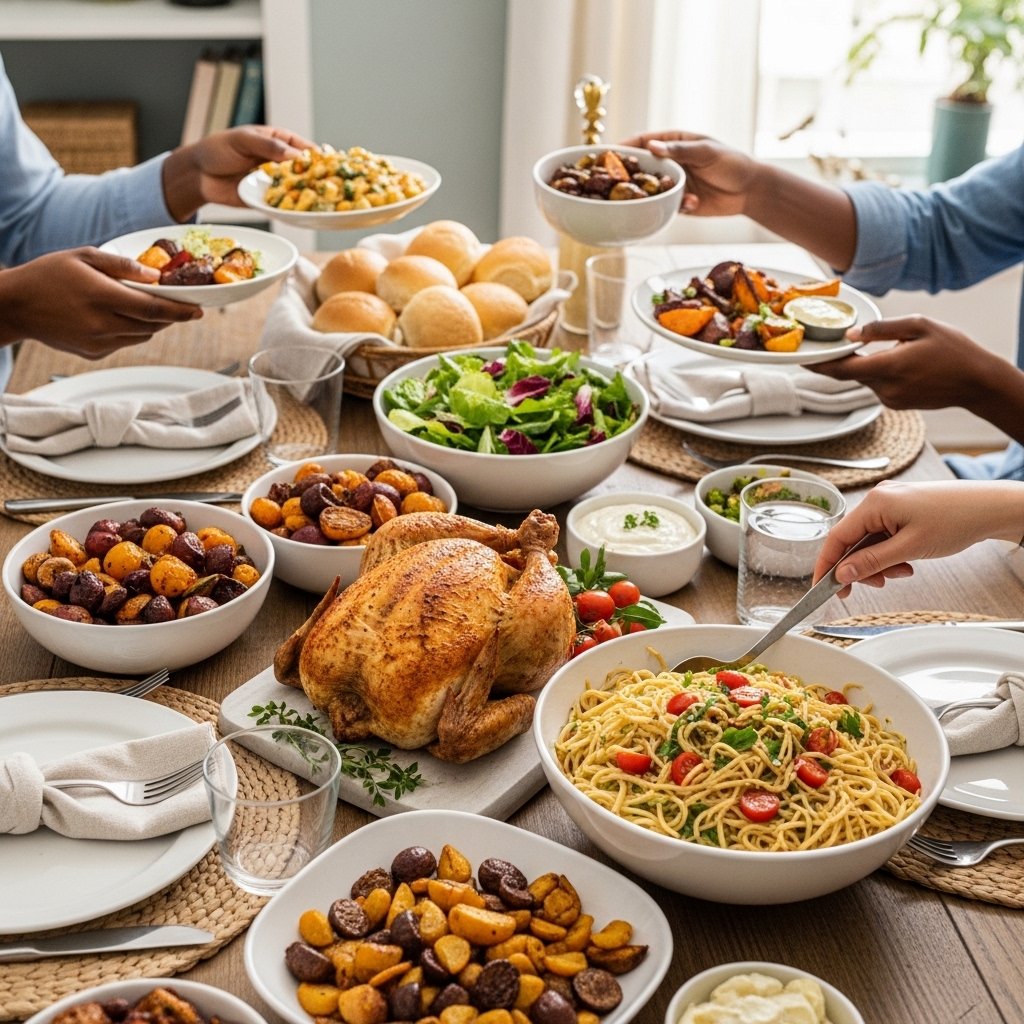
For years, I thought being a good home cook meant making multiple meals, saying yes to every request, and constantly trying to please everyone at the table. If one child didn’t like sauce, another wanted plain pasta, and someone else suddenly hated vegetables, I would adjust, compromise, and often end dinner feeling more exhausted than satisfied.
Then I changed one major thing: I gave up being a short-order cook in my own kitchen. And surprisingly, once I stopped overcomplicating dinner, my kids started eating better than ever. This simple family meal strategy transformed our evenings, reduced stress, and helped us all enjoy food more. If you’re tired of mealtime battles, this approach may change your kitchen too.

Why This Family Meal Strategy Works
This isn’t about strict rules or forcing kids to eat foods they hate. It’s about creating a calm, positive environment around meals.
What I Gave Up
I stopped:
- Making separate meals
- Negotiating every bite
- Offering endless snack backups
- Stressing over “perfect” dinners
- Trying to control everything
What happened instead? My kids became more relaxed, more curious, and more willing to try what was served.
The Biggest Shift: One Meal for Everyone
The most important change I made was committing to one family meal.
Instead of cooking:
- plain pasta for one child
- nuggets for another
- something different for myself
I started serving one balanced meal with familiar and new elements.
This lowered pressure for me and made dinner feel more connected.
How I Build Family-Friendly Meals
My goal now is simple: make meals that feel approachable but still nutritious.
My Easy Formula
Each dinner includes:
- A protein (chicken, turkey, beef, beans)
- A carb (rice, pasta, potatoes, bread)
- A fruit or vegetable
- A sauce or dip if helpful
This structure works because kids usually find at least one “safe” food on the plate.
Example Meals
- Chicken tacos with rice and avocado
- Pasta with turkey meatballs and broccoli
- Sheet pan chicken with potatoes
- DIY rice bowls
This keeps dinner flexible without extra work.
I Stopped Using Dessert as a Reward
This was another big change.
I used to say:
- “Finish your broccoli first”
- “Take three more bites”
But that only made certain foods feel like punishment.
Now, I focus on:
- neutral language
- no pressure
- consistent meal times
Kids often eat better when food feels less emotionally loaded.
Cooking Tips That Make Family Meals Easier
Simple systems matter more than complicated recipes.
My Best Practical Tips
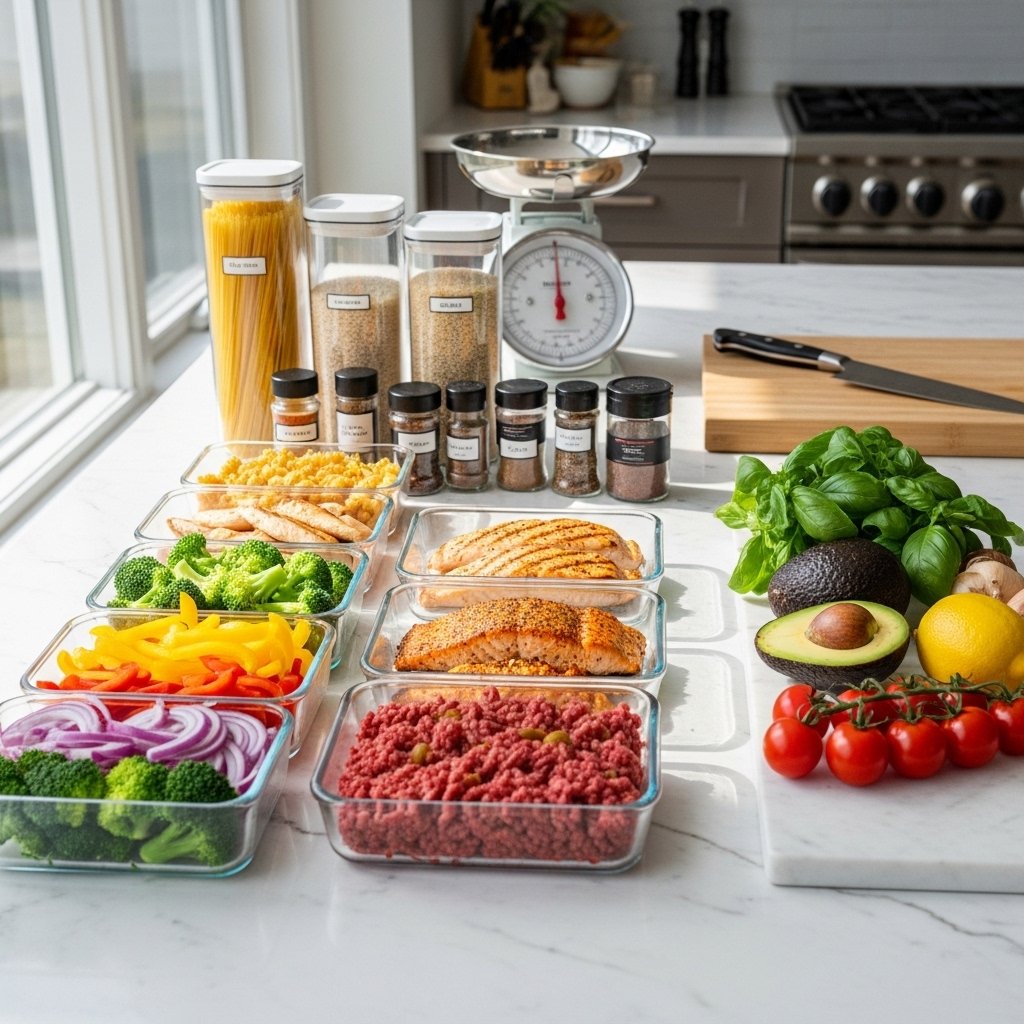
- Prep vegetables ahead on weekends
- Batch cook proteins
- Keep pantry staples stocked
- Repeat favorite meals weekly
- Use sauces for extra flavor
These habits save time and reduce stress.
Variations for Picky Eaters Without Making Separate Meals
You can still meet your kids where they are without becoming a custom-order chef.
Smart Ways to Adapt
- Serve sauces on the side
- Let kids build their own plates
- Keep textures separate if needed
- Offer dips like ranch, hummus, or yogurt
This gives kids a sense of control while keeping the same core meal.
Serving Suggestions for Stress-Free Dinners
Presentation matters more than many parents realize.
Try:
- family-style platters
- colorful plates
- fun toppings bars
- small portions first
The goal is to make food feel inviting, not intimidating.

Storage and Leftover Tips
One of the best parts of simplifying meals is that leftovers become useful.
Smart Storage Tips
- Store proteins separately
- Keep sauces in small containers
- Label leftovers clearly
- Reuse ingredients creatively
For example:
- leftover chicken becomes wraps
- rice becomes fried rice
- veggies go into soup
This saves money and cuts waste.
Common Mistakes Parents Make at Mealtime
A lot of food stress comes from habits we don’t even realize we’ve built.
Common Pitfalls
- Making separate meals too often
- Pressuring kids to clean plates
- Using food as reward or punishment
- Offering snacks right before dinner
- Giving up too quickly on new foods
Remember: repeated low-pressure exposure matters.
Frequently Asked Questions
What if my child refuses dinner?
Stay calm and consistent. Avoid making a backup meal.
How long does it take for kids to adjust?
Usually a few weeks of consistency helps.
Should I force bites?
No. Encourage exposure, not pressure.
What if my child is very picky?
Start with small changes and safe foods.
Can this work with busy schedules?
Absolutely. Simple meals and routines help most.
Final Thoughts
The biggest thing I gave up was the belief that I had to make everyone happy at every meal. Once I stopped overcomplicating dinner and trusted a simpler family meal strategy, our evenings became calmer, easier, and surprisingly more joyful.
If you’re overwhelmed by picky eating, endless requests, or mealtime stress, know this: you don’t need to do more. Often, doing less—but doing it consistently—is what helps your family eat better together. Sometimes the best thing you can give up is the pressure.